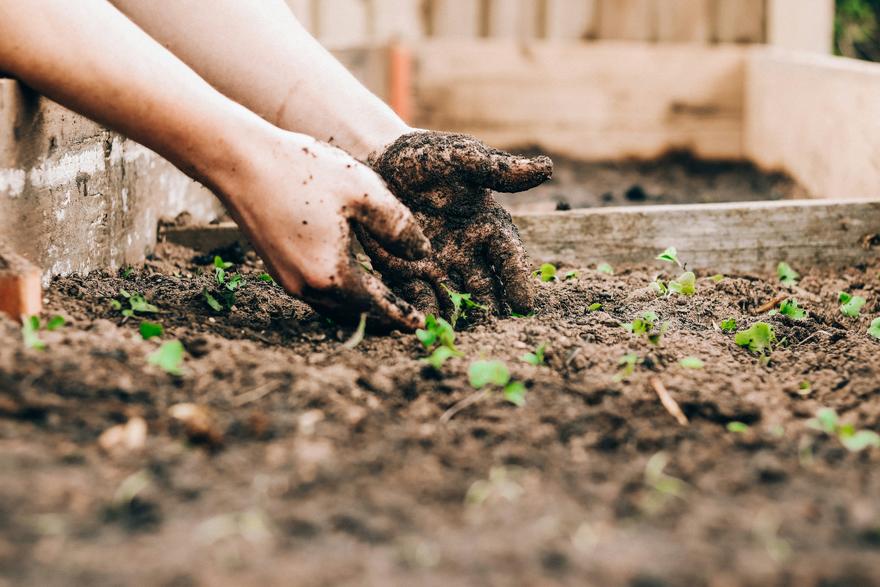
Soil health and human health are biologically linked—not just metaphorically, but mechanistically.
Healthy soil contains a diverse microbial ecosystem (bacteria, fungi, protozoa) that directly influences the nutrient density of the food grown in it. Research shows that soil microbial diversity enhances plant uptake of key micronutrients like magnesium, zinc, and selenium—nutrients essential for immune function, thyroid regulation, and mitochondrial activity (Montgomery & Biklé, 2021; Jones, 2017). It is quite literally the microbes in the soil that allow the nutrients to be in a plant available form. Without adequate microbes plant nutrition diminishes substantially.
When soil (microbial base) is degraded, food becomes calorically sufficient but nutritionally diminished. This contributes to what we clinically see as “hidden hunger”—adequate calories with insufficient micronutrient density.
There is also a direct connection through the human microbiome. Exposure to environmental microbes—especially from soil—helps train and regulate the immune system. Reduced microbial exposure (common in industrialized environments) is associated with increased rates of inflammatory and autoimmune conditions (Rook, 2013; Prescott et al., 2017).
Practices that degrade soil biology (chemical inputs, monocropping) can be associated with the presence of pesticide residues and disrupt natural detoxification pathways in ecosystems, ultimately increasing human exposure. Increases in pesticide exposure in particular, increases the likelihood of a leaky gut. https://pmc.ncbi.nlm.nih.gov/articles/PMC9279132/ and endocrine disorders. A leaky gut is also associated with an increase in autoimmune disorders.
Key takeaway:
You cannot separate the health of your body from the health of the soil your food is grown in.
If you want to improve cellular health, detoxification capacity, and long-term resilience, the conversation has to include where and how your food is produced. Get outside and grow your own food and if you are not able, support a local, regenerative farmer.









Comments